

Epilogue
If you missed Chapters 1 – 3, which precede this post, you can find them here:
And in case you’re wondering, “How long can she drag this story out?” I guarantee you that this is the last in the series about getting on the plane, but I had left the moral of the story untouched, or at least inexplicit, if there is one at all.
None of this was clear to me while I was writing the story, but I realized that during the whole journey from NC to Bolivia, I was balancing two contradictory emotions: panic and trust. Is trust an emotion? For me, at the time, it was. It was a force I could call on, not from outside of myself, but not just from inside of myself either. I would like to say I knew all along that it would work out, somehow, miraculously, meaning some fluke would allow me to defy the odds and make it on my flight, but really, I think I just knew that it would all work out even if I missed my flight and ended up stuck.
How nice that I have that security, even if sometimes it might be misguided. How lucky I am, truly lucky, to be able to have faith in humanity and in individuals, to help me if I am in a bind.
Here’s the thing about the panic: I could have skipped it. I could have proceeded with my plan, read SkyMag on the short flight to Miami, leisurely strolled down the deserted aisles, and arrived at my gate, right as the woman on the intercom was calling us over to let us know that the plane was re-docking.
I’m not advocating for panic. And since this experience, I’ve learned how to calm it down, and reassure myself in the moment that if I am feeling that trust, I can lean on it, and know that even if it doesn’t go according to plan, I’ll be able to make it work. But yet at the same time, emotions overtake us and sometimes hold on with a fierce grip. I didn’t breathe until I got on the cart with Jose and as we were racing, so to speak, towards the gate, I felt that people really wanted to help me, that I wasn’t alone.
With each kindness my panic subsided a little bit more and the glowing warmth of trust that I felt grew bigger. My path was validated by each point at which it seemed unfeasible.
On the plane, making my way to my seat, all emotions stepped aside so that I could experience pure elation (and exhaustion), which I have to say is one of my favorite states to be in. When I found my row, a man sitting by the aisle got up, looked at me quizzically, like, “Where did you come from?” and then let me pass. I flopped down in my window seat. He turned to me and said, “Are you just now getting on the plane.” “Yeah!” I said and smiled. “Yeah, it came back for me. No I mean, there’s technical difficulties I guess, but I missed it, and it came back.” “Wow, you’re the only person who’s happy about this” (talking about the tech issues, which at this point we had been informed were being addressed). I just laughed. Usually I would have explained but I didn’t even really understand what had happened. So we just talked about the plans we had for our trips and our work and lives back in the US. This person would become a friend who I would run into, by chance, two more times during the course of my trip.
The story didn’t end when I got on the plane; really that’s just where it began. Looking back, it seems like the interdependent lucky breaks that I caught were tailored to fit together in one precise pattern, like a code to crack. In truth, I suspect other versions of the story that would exist had one thing been different, would also have been rich and meaningful. But the blessed nature of my departure and take-off carried me through the challenges of travel, and reminded me that I was on the right path.
We all, each day, comprise the narrative of each other’s lives and write our stories together. Today I’m thinking about how we are a community even as we are strangers. Today I’m thinking about how the difference between apathy and compassion sometimes lies in simply looking people in their eyes. Today I’m remembering the power of helping someone get where they need to go.
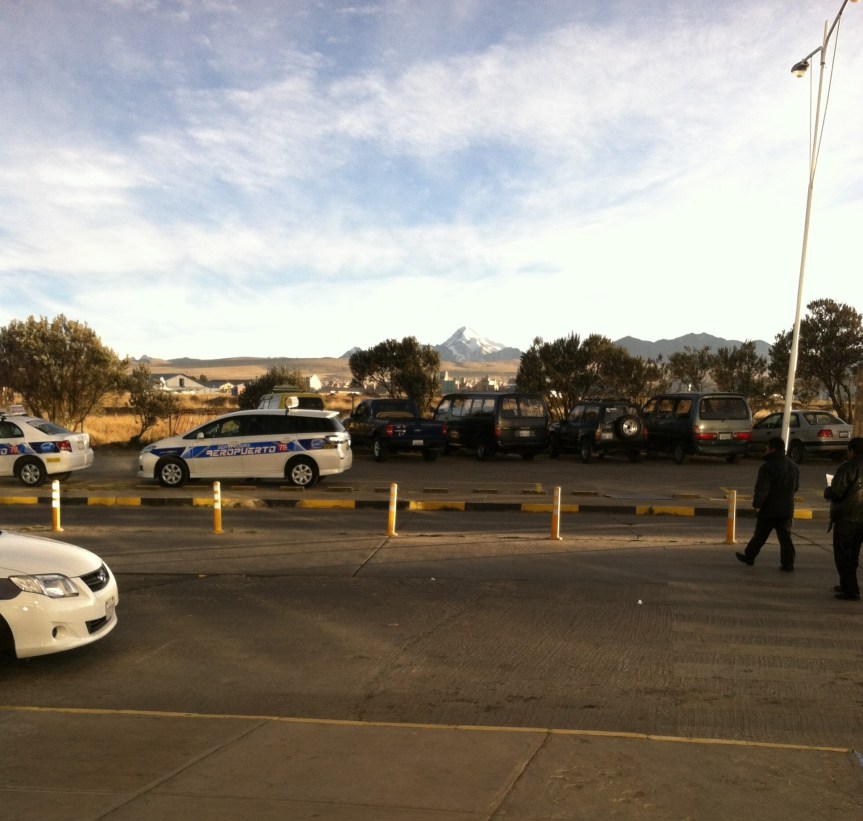
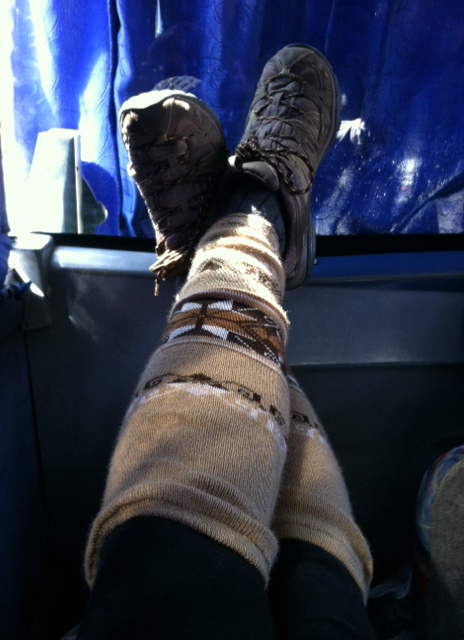

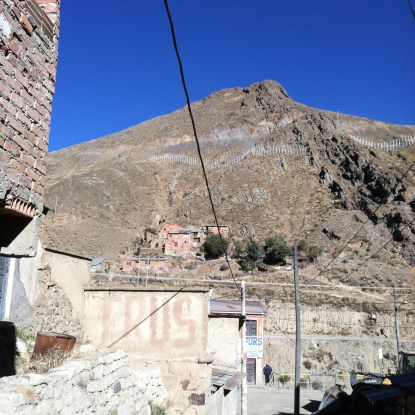
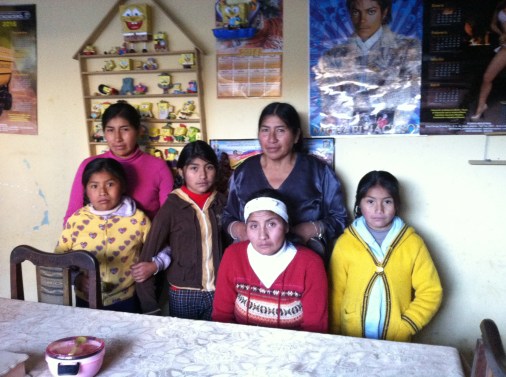
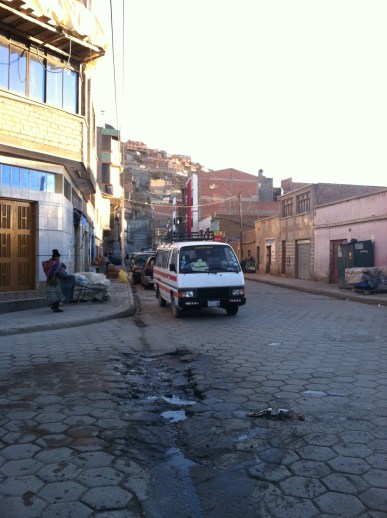
 My purpose on the ground in Bolivia became to interview, chat with, observe and learn from as many people living with Type 1 Diabetes or supporting those who do. Over the course of three weeks and five cities I got to do over 40 interviews and focus groups with nearly 100 participants made up of youth with T1D, their families, and the clinical staff and volunteers who support them. Everywhere I turned, a new element of life with diabetes in Bolivia jumped out at me. It became apparent that Bolivian cultural values were critical to consider when thinking about successful health outcomes for youth with T1D, especially the role of the family. One participant who volunteers as a leader for the group in Potosí and who has had T1D for 23 years himself, said that in all the situations he has observed, “La familia ha sido fundamental para poderlo apoyar..cree una necesidad, de, en todo diabético, de que la educación no sea sólo en el paciente diabético, pero sea también en su entorno. Ese apoyo a la familia, o esa educación a la familia, creo que también es muy importante, porque es un daño que afecta la familia” (“The family has been instrumental in that it can support…it creates a need, that, for all diabetics, the education not reach just the diabetic patient, but also their environment. This support for the family, or education for the family, I think it’s also really important, because it [diabetes} is an injury that affects the whole family”).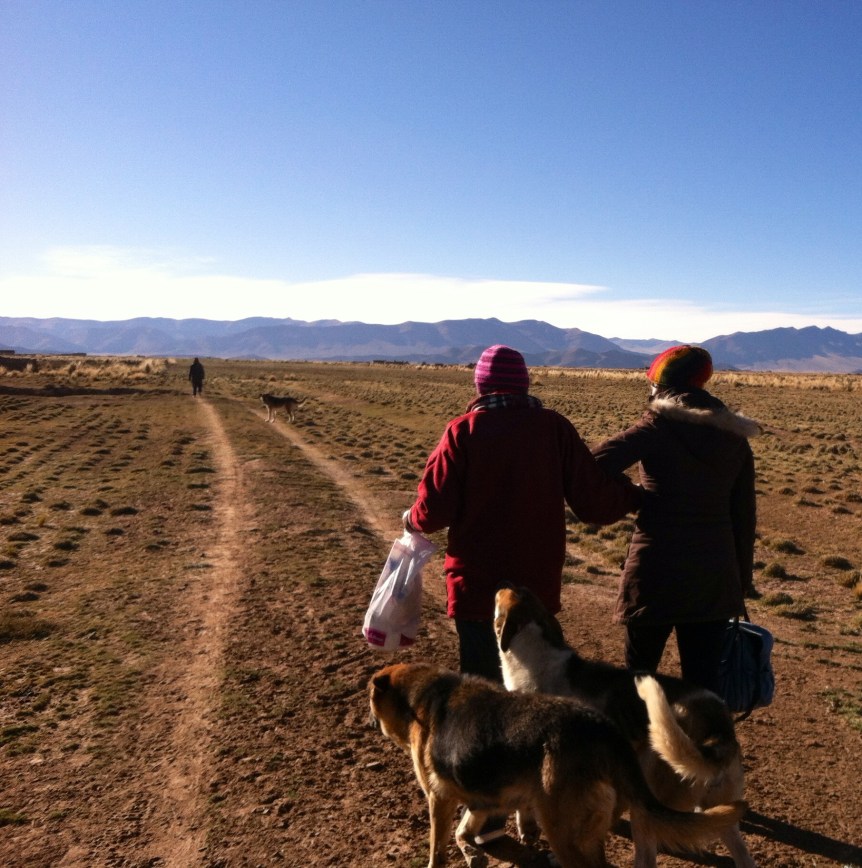
 When one is traveling, going with the flow is essential, de acuerdo? I think the same with diabetes. I actually missed my flight to Bolivia. But the plane came back for me, as it turns out. We’ve visited so many amazing families who have fed us some amazing Bolivian delicacies. It’s been necessary for me to take more insulin than usual in order to aprovechar de la experiencia and also deal with the stress of last minute changes and running to throw our luggage onto buses. Also, blogging, probably not going to happen much. But I did spend a 6 hr bus ride trying to photograph an alpaca or maybe a llama, for my friend Ms. Boffa, and I finally succeeded.

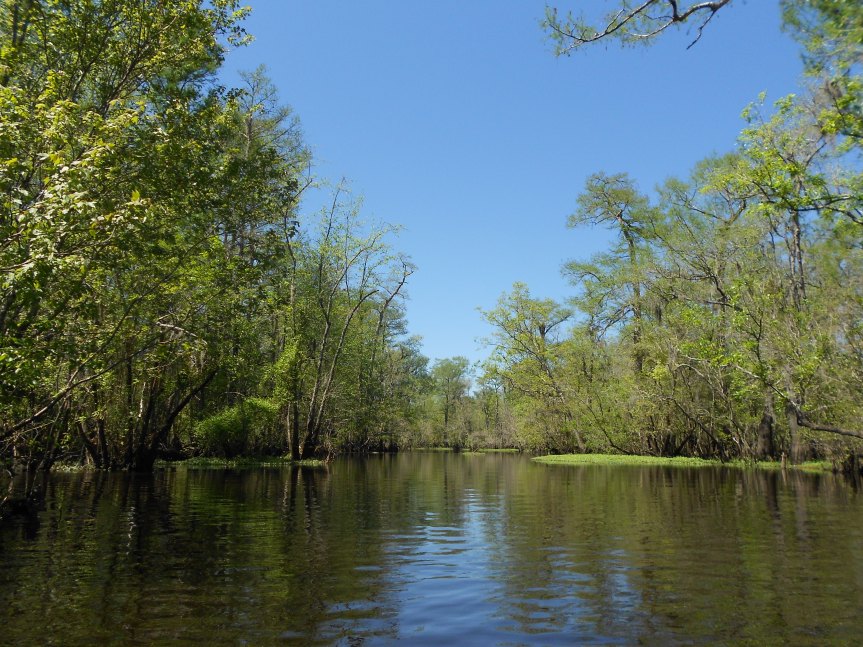 Thanks to adventures with Frog Hollow Outdoors I’ve discovered some amazing new rivers recently. Above is a view down the Black River near North Carolina’s coast, called so because of the high tannin content that makes its waters a coppery blend of dark blue, brown and green. Below and above the tree branches birds wade and fly: Anhinga, or snake-birds soar overhead, Great Blue Herons pick their way through the cypress knees.
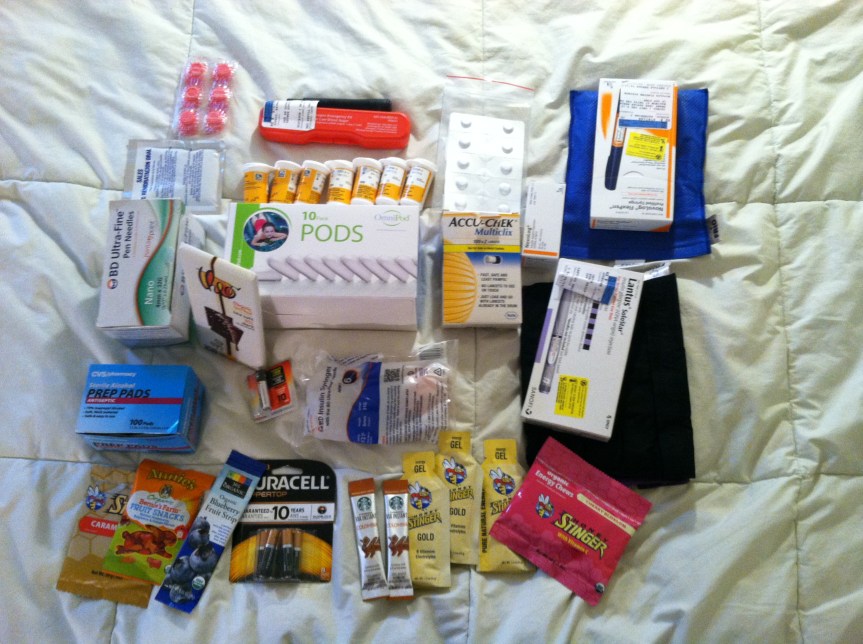
 Such a pretty little thing, and air and water tight too! On the river I keep my novolog pen, some extra pen needles, a microfiber cloth, alcohol pads, a spare meter and lancet device, test strips, and chapstick, all sealed inside. All of that seriously fits into one case if you pack it just right. I have another one for my camera and honey zinger packet.
