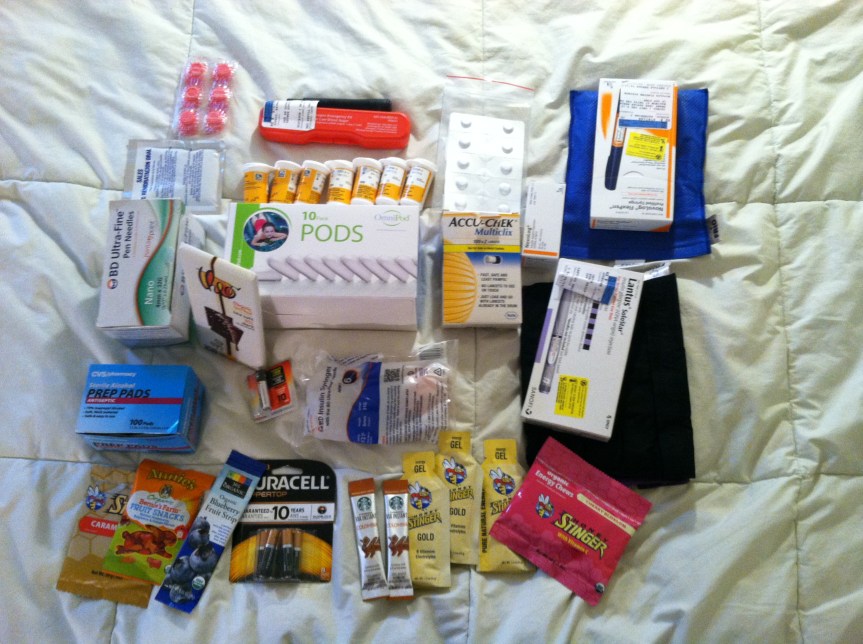
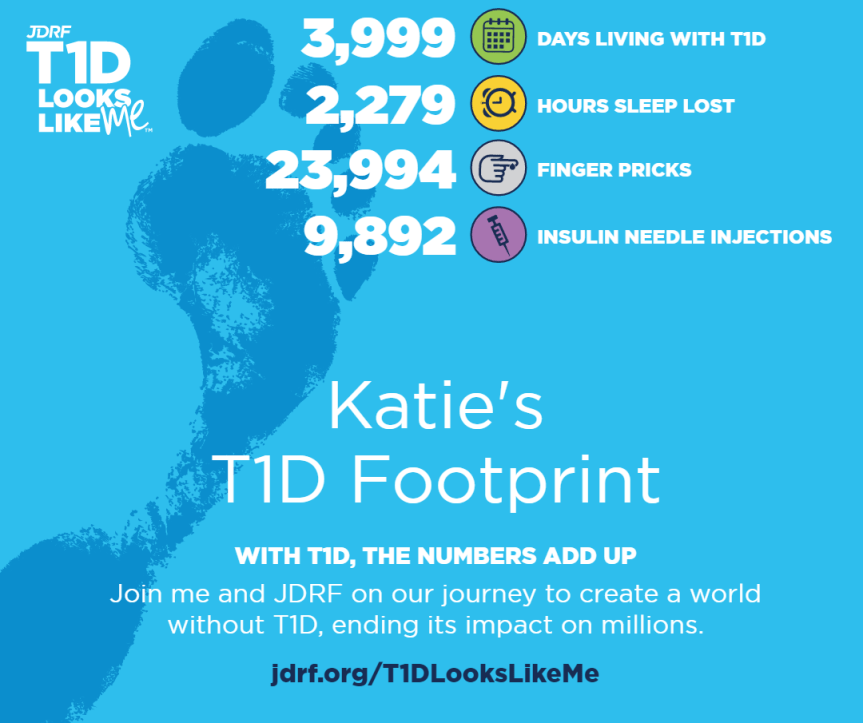
As I alluded to in a recent entry, open conversation, not being silent, is still key right now. In the spirit of embodying my 2017 theme, I’m going to string together a few pearls of wisdom I’ve picked up from the various people who inspire me every day. Then I’ll talk briefly about diabetes, too.
My head is brimming lately with all these phrases and metaphors that my friends have shared with me as the wisdom that guides them around their busy lives. One of my friends, as we were driving down a street full of piles of leaves and Christmas decorations that had been taken halfway down, shared a quote by Martin Niemoller, a Holocaust protester and survivor, which I had heard many years ago but had forgotten until then. It’s important, and I don’t want to forget it again:
First they came for the Socialists, and I did not speak out—
Because I was not a Socialist.
Then they came for the Trade Unionists, and I did not speak out—
Because I was not a Trade Unionist.
Then they came for the Jews, and I did not speak out—
Because I was not a Jew.
Then they came for me—and there was no one left to speak for me.
So much of what I have to be grateful for in my life comes from the friendships, like that I have with this friend, with wise women and men around the world who are searching for purpose and striving to be all they can be every day. Another friend of mine, who I’ve recently reconnected with, reminded me that we are never through becoming ourselves. And yet another, in a parallel conversation earlier this month, shared a favorite guiding quote of hers, “the most important thing in your life is…your life.”
Translating all that to diabetes management, as is the constant struggle, leaves me with some interesting reflections as well. In 2016 I left the pump and moved back to insulin injections. This was a really positive change for me. Interestingly though, so was the pump when I started with it. Which reminds me that diabetes management, like life, is not a static endeavor. Our needs change and being able and willing to adapt is a sign of healthy coping, not an indicator that we are failing or were wrong before.
Now I’m enjoying more fruit and less wheat, more cooked vegetables and spices and hopefully, just a little less hot sauce and salty condiments. I’m borrowing some wisdom from both my Southern mother and Chinese medicine, that cooking foods, especially in winter, makes the nutrients more accessible to the body and of course easier to digest.
And finally, my 2017 health resolution, both because it directly improves my blood sugar and because it makes me friendlier, is to prioritize sleep. I rang in the New Year with this theme last night. But I’m also hoping that regular sleep will also help me effectively abandon it when I have the chance to work on my last, little, other resolution, which is always my resolution, to dance more.
So in sum, may we never be done listening to each other, learning about life and ourselves, and resolving.


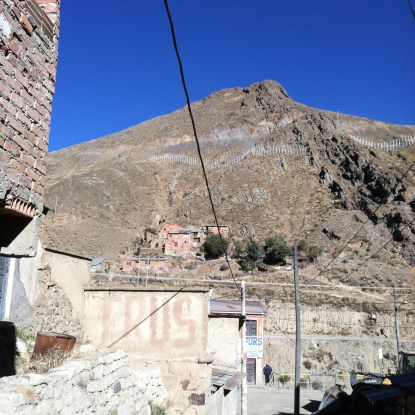
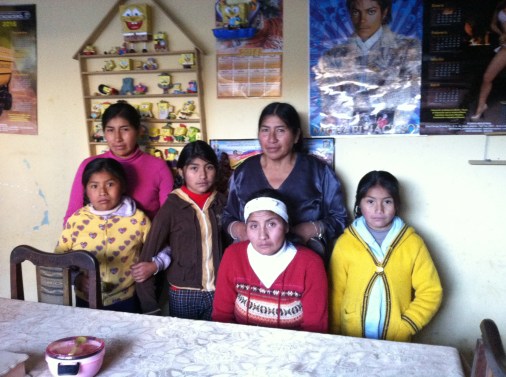
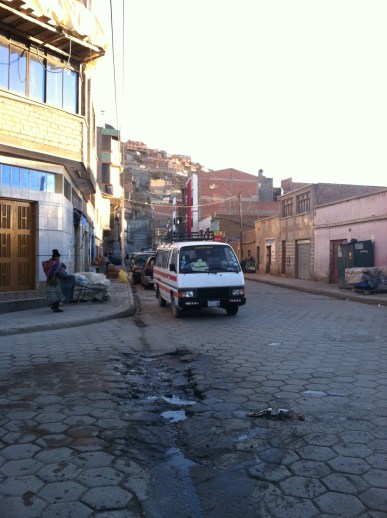
 My purpose on the ground in Bolivia became to interview, chat with, observe and learn from as many people living with Type 1 Diabetes or supporting those who do. Over the course of three weeks and five cities I got to do over 40 interviews and focus groups with nearly 100 participants made up of youth with T1D, their families, and the clinical staff and volunteers who support them. Everywhere I turned, a new element of life with diabetes in Bolivia jumped out at me. It became apparent that Bolivian cultural values were critical to consider when thinking about successful health outcomes for youth with T1D, especially the role of the family. One participant who volunteers as a leader for the group in Potosí and who has had T1D for 23 years himself, said that in all the situations he has observed, “La familia ha sido fundamental para poderlo apoyar..cree una necesidad, de, en todo diabético, de que la educación no sea sólo en el paciente diabético, pero sea también en su entorno. Ese apoyo a la familia, o esa educación a la familia, creo que también es muy importante, porque es un daño que afecta la familia” (“The family has been instrumental in that it can support…it creates a need, that, for all diabetics, the education not reach just the diabetic patient, but also their environment. This support for the family, or education for the family, I think it’s also really important, because it [diabetes} is an injury that affects the whole family”).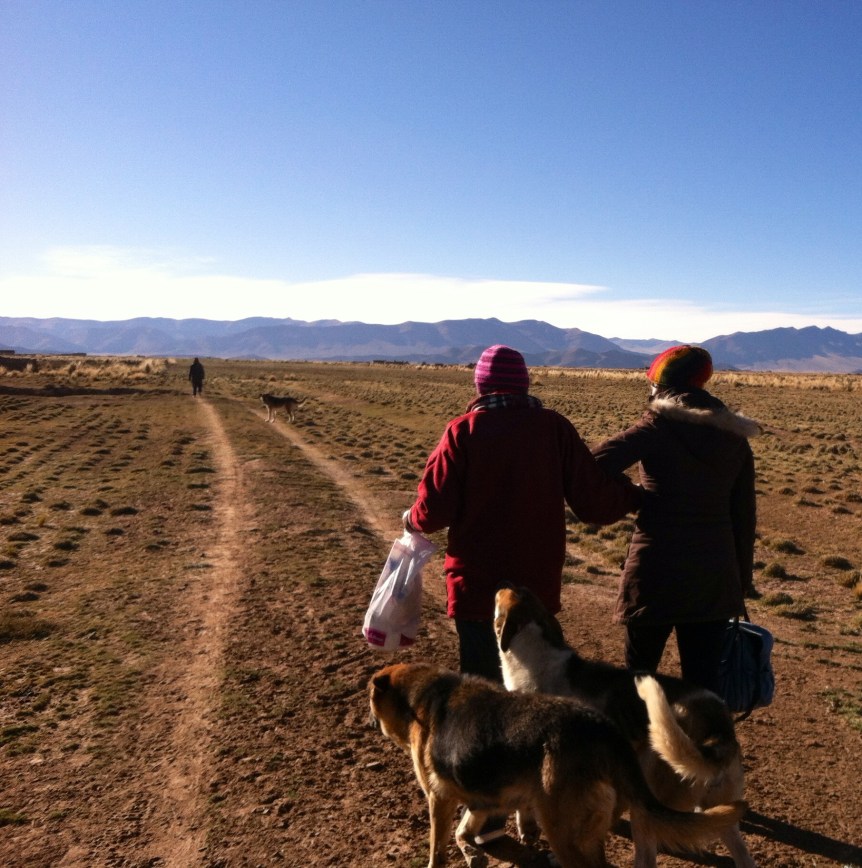
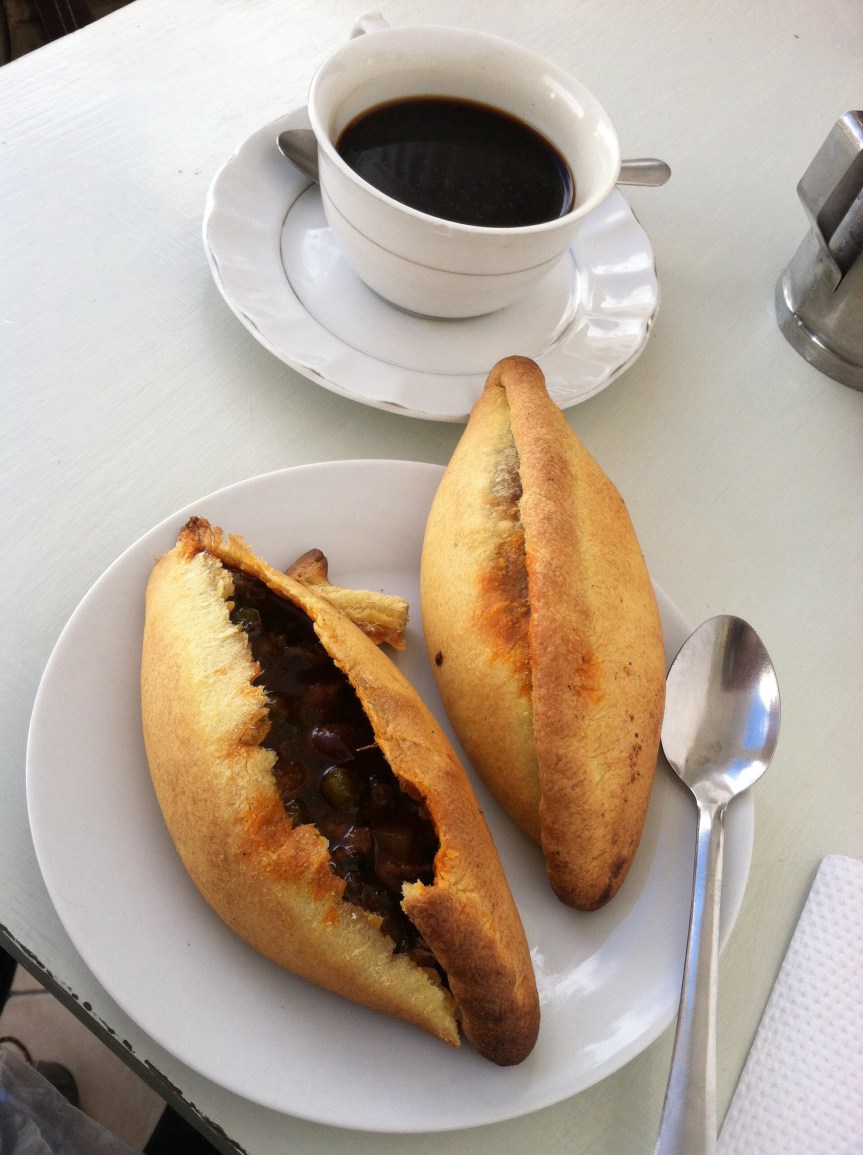


 When one is traveling, going with the flow is essential, de acuerdo? I think the same with diabetes. I actually missed my flight to Bolivia. But the plane came back for me, as it turns out. We’ve visited so many amazing families who have fed us some amazing Bolivian delicacies. It’s been necessary for me to take more insulin than usual in order to aprovechar de la experiencia and also deal with the stress of last minute changes and running to throw our luggage onto buses. Also, blogging, probably not going to happen much. But I did spend a 6 hr bus ride trying to photograph an alpaca or maybe a llama, for my friend Ms. Boffa, and I finally succeeded.